Marketing, promotion and publicationsHow-to guide
International SEO for an existing multilingual website: a practical checklist
Most multilingual websites were not planned for search in every language. A second language was added for a trade fair, a third for a distributor, and each version grew its own habits. The result is familiar: the English page ranks in Romania, the Romanian page never appears, and search engines report duplicate content. You do not need a new website to fix this. You need research per market, consistent signals between language versions, and a reporting routine that turns rankings into decisions.
Research keywords in each market, not in translation
Start from how customers in each market describe the problem, not from your product names. Collect terms from sales conversations, support emails and distributor feedback, then check them in the keyword tools for that country and language. You will often find that the main term in one market is a two-word phrase in another, or that buyers search for the application rather than the product.
Group keywords by intent: learning about a problem, comparing solutions, looking for a supplier in a specific country, or ready to request a quote. Map each group to a page that exists or should exist. A page that tries to rank for every intent in every language usually ranks for none.
Write titles and descriptions for each language
Each language version needs its own title and meta description, written for that market’s search terms and length limits, not translated mechanically. Keep titles specific, put the main term early and include the brand once. Descriptions should say what the page offers and why it is worth the click, in about 150 characters.
Check headings and image alt text at the same time. Diacritics, units and local spelling matter: a Romanian page without ș and ț looks careless to readers and can match search queries less precisely. Keep a list of pages whose titles were changed, with the date, so the effect can be measured later.
Make hreflang and canonicals agree with each other
Hreflang tells search engines which pages are language versions of each other. Each version must list all the others and itself, and the links must be reciprocal. Add an x-default for visitors whose language you do not serve. Canonical tags must point to the page itself in the same language, never from the Romanian version to the English one, or the Romanian page disappears from results.
Pick one URL pattern and use it everywhere: the same protocol, host, trailing slash convention and language path, for example a root for English and a /ro/ prefix for Romanian. Our own site follows exactly this pattern, and the most common errors we fix are small inconsistencies between the canonical, the hreflang links and the sitemap, rather than missing tags.
- Every language version lists all alternates, including itself, with correct language codes.
- Canonical tags are self-referencing within each language.
- One URL form across canonicals, hreflang, internal links and sitemaps.
- An x-default alternate for visitors outside the served languages.
- Redirected or removed pages taken out of hreflang sets and sitemaps.
Use Google Search Console, Bing Webmaster Tools and IndexNow
Verify the site in both Google Search Console and Bing Webmaster Tools, and submit a sitemap that lists every language version. Bing also feeds other search and assistant experiences, so it deserves the same attention as Google. Review the coverage reports for pages that are crawled but not indexed, duplicates without a user-selected canonical and soft 404 errors.
IndexNow lets the site notify participating search engines, including Bing, as soon as a page is published, updated or removed. Connect it to your publishing workflow so new articles and changed product pages are announced automatically. Fresh pages are then discovered in hours instead of waiting for the next crawl.
Make the site readable for AI assistants
More buyers now ask AI assistants which providers to consider. These systems prefer content that is clear, factual and easy to fetch. An llms.txt file at the root of the site gives them a short map of your most important pages. Plain Markdown versions of key pages, clean headings and structured data for the organisation, products and articles help them quote you accurately.
Write pages that answer specific questions directly: what the service includes, how it is delivered, how pricing works and how it connects to other systems. Vague marketing language is hard for both people and machines to cite. Keep these pages in every language you sell in, with the same facts.
Build landing pages that serve search and ads together
A page built for a paid campaign can also rank organically if it lives on your main domain, in the right language, with useful content. Write it once for the visitor: the problem, the offer, the proof, the process and a clear enquiry form. Then use it as the destination for both search ads and organic results.
Link these pages from relevant parts of the site, so they are not orphaned when the campaign pauses. Record the market and language in the enquiry form, so organic and paid enquiries can be compared in the CRM.
Report rankings in a way people can act on
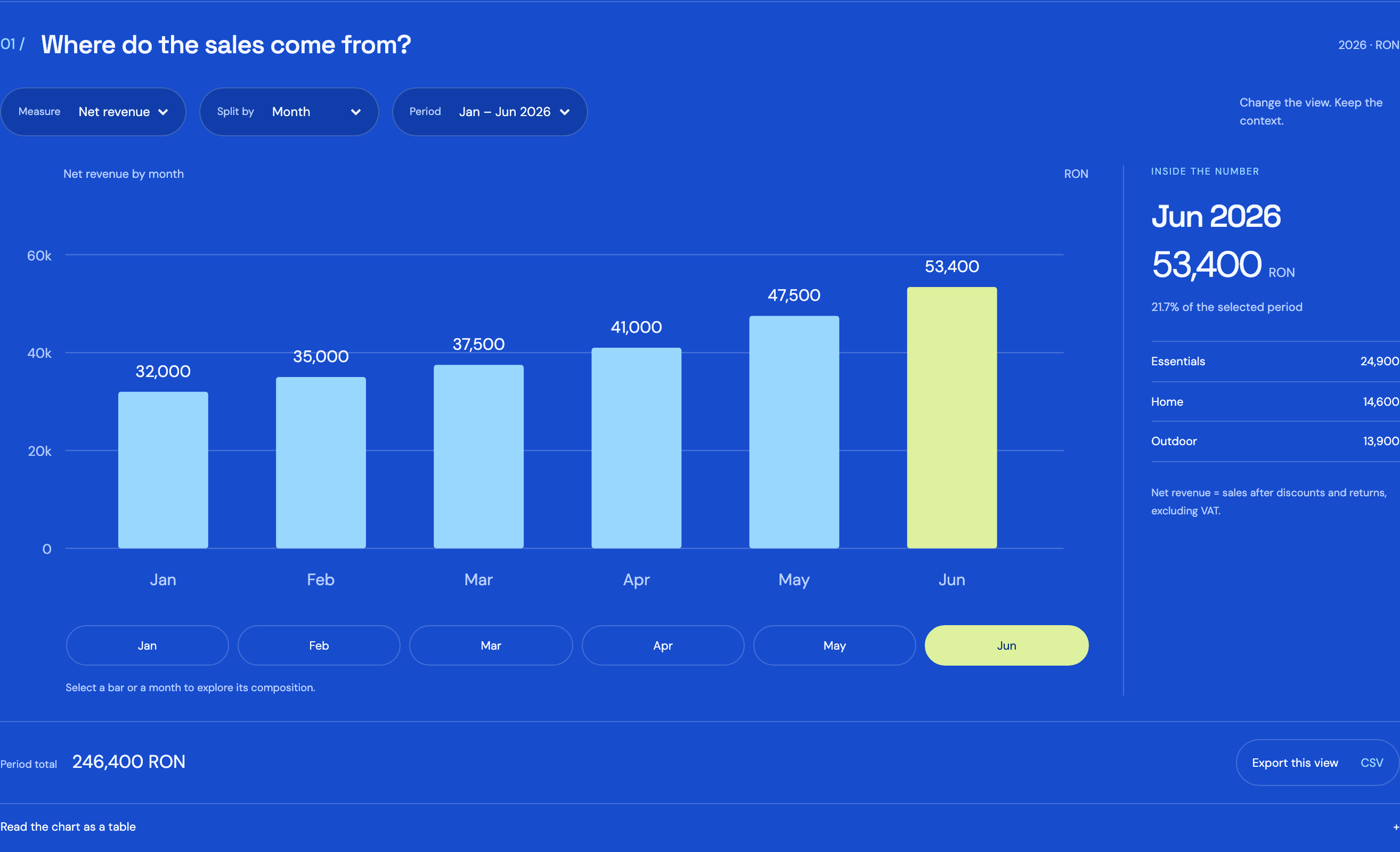
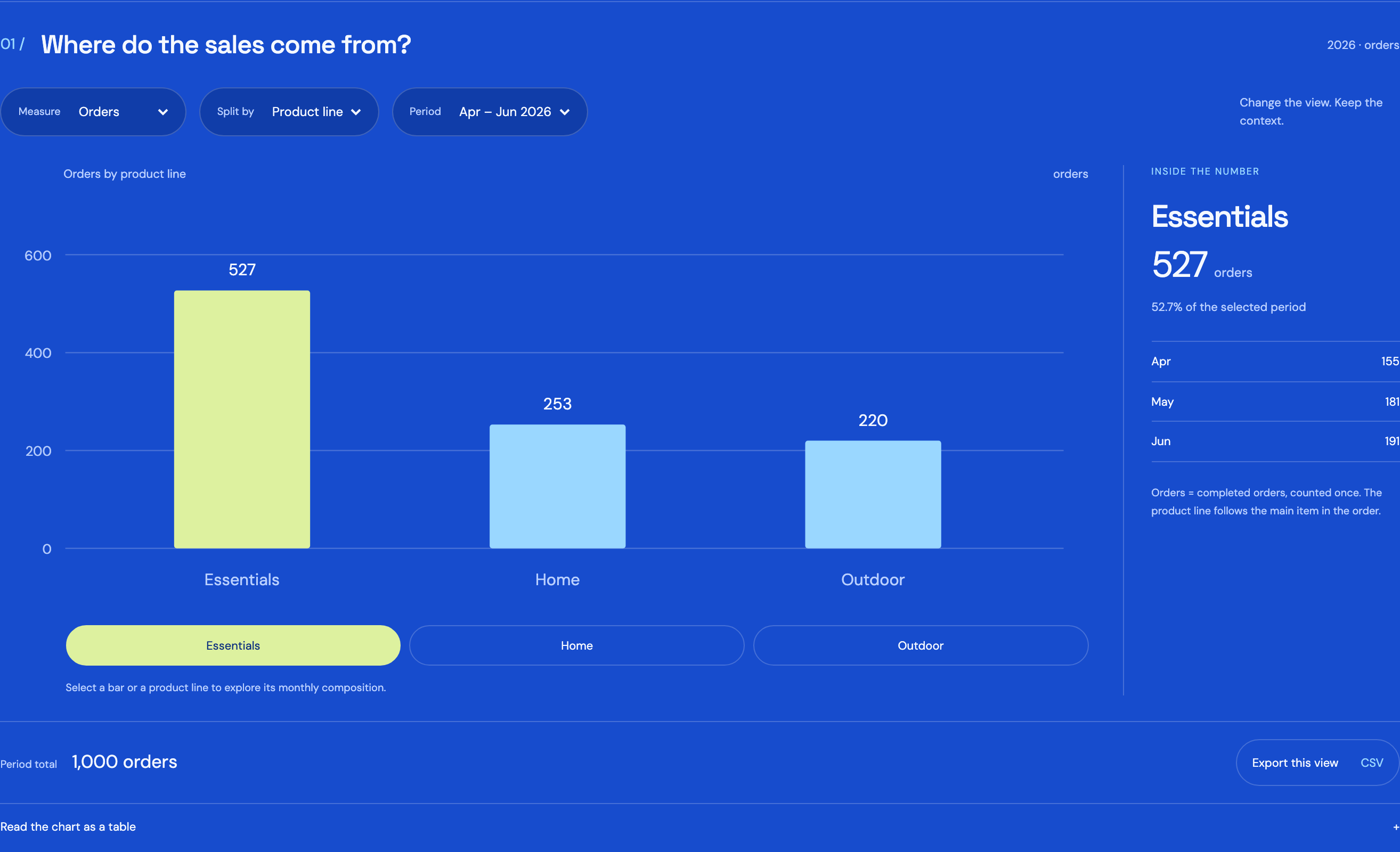
A list of two hundred keyword positions does not help anyone decide anything. Report a small set of priority terms per market, impressions and clicks from Search Console and Bing Webmaster Tools, and the enquiries those pages produced. Add one short note per market: what changed, why it probably changed and what will be done next.
RDCopilot runs this as part of its digital promotion service: an initial audit and fix of the technical signals, then a monthly subscription for content updates, monitoring and reporting, with extra pages or migrations at a fixed hourly rate. Enquiries land in RDCopilot CRM and results appear in RDCopilot Reports, so search work is judged by conversations, not by positions alone.
Inside the product
Reports
Follow the references
Sources & inspiration
RankPilot
Devpost project by Aqvenor Z
Independent inspiration for prioritised, actionable SEO audit reports.
This independently created project is credited as inspiration. The workflow and implementation guidance in this article are RDC’s analysis.
Put the guide to work
Start with your workflow.
Tell us what your team needs to do, which systems are involved and where the current process slows down.