re:plyteHow-to guide
Shared access in a mobile app without sharing an account
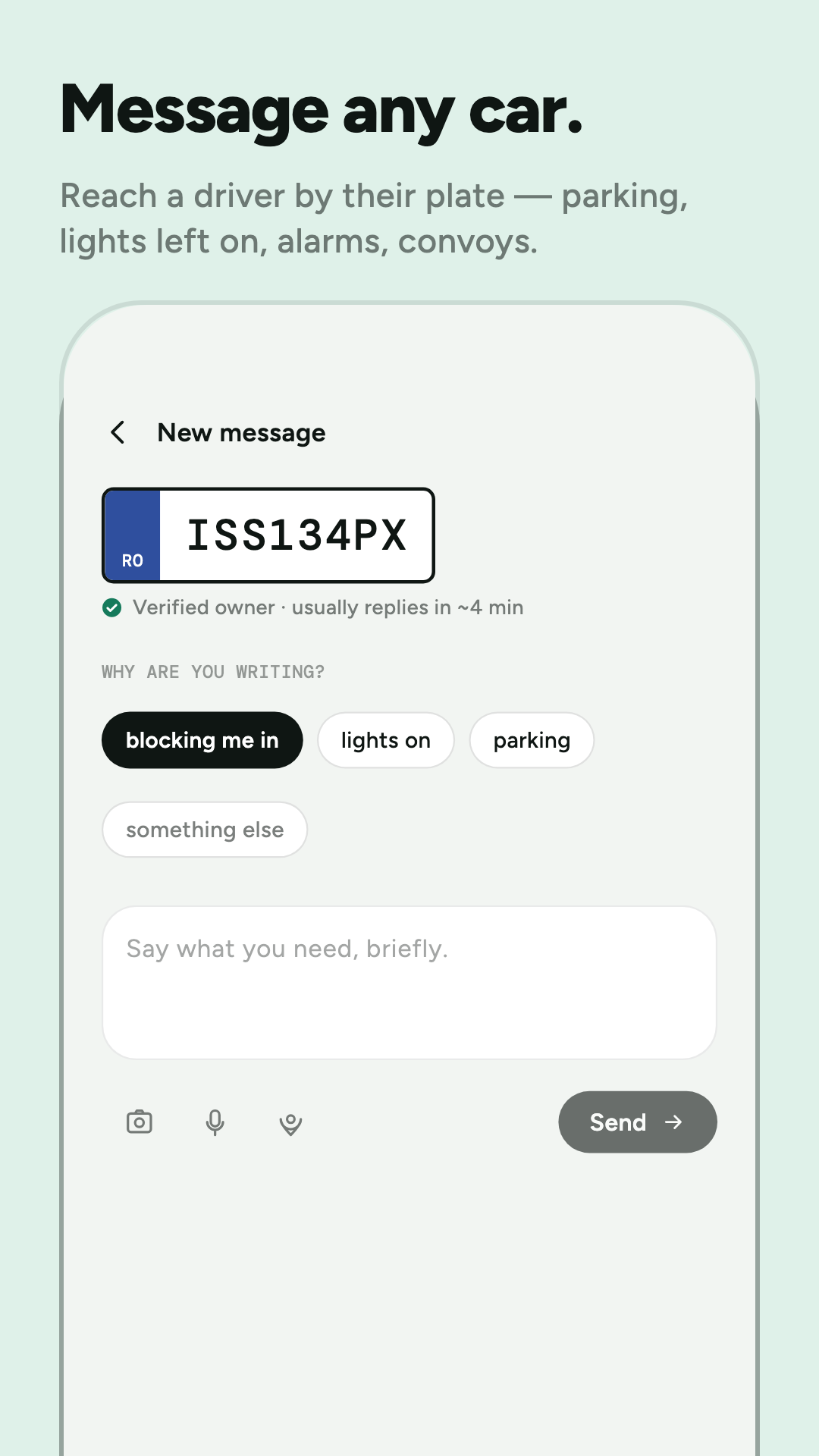
People can share access to a resource while keeping separate accounts and removable permissions. re:plyte's co-driver concept provides an owned example of that distinction. In a client application, we design the invitation, resource scope and revocation together so collaboration does not depend on sharing passwords or leaving access permanently attached to someone who no longer needs it.
Model the resource separately from the account
A vehicle, property or business location may have several authorized people over time. Keep its identity separate from the person who first created it. Define ownership, delegated access and the actions each role may perform. That makes it possible to remove one person's access without deleting the resource or forcing everyone else to create new accounts.
Draw a role matrix for resource owner, invited participant and former participant. Specify reading history, creating new content, inviting someone else and changing settings separately. A single member flag is often too broad. Decide what happens if ownership changes while delegated access exists. The resource should have a coherent lifecycle independent of any one login, with authority to manage that lifecycle defined explicitly rather than inherited accidentally from the first account created.
Make invitations explicit and limited
An invitation should identify the resource and the access being offered. Decide how it expires, how acceptance binds to an account and what happens if it is forwarded. The recipient should understand what information becomes visible after acceptance. The inviter should see pending, accepted and withdrawn invitations without confusing them with active authorization.
Bind invitation acceptance to the intended resource and role. Use a limited lifetime and define whether a pending invitation can be withdrawn. Check the experience when a recipient is already signed into a different account or receives the same invitation twice. The app should explain which identity will accept access. A forwarded link must not silently create broader authorization than the inviter intended, and accepting one invitation should not reveal unrelated resources.
Design revocation beyond the membership list
Removing a person must affect new requests and the channels through which they receive updates. Review open sessions, notification subscriptions and cached resource views. Historical actions may need to remain attributable even after access ends. Define what the former participant sees when they next open the app and how pending work is handled.
Revocation should be enforced by the backend on subsequent actions, not only by removing a row from the mobile interface. Review open sessions, cached membership and subscription channels. A former member may retain content already downloaded, so distinguish preventing future access from deleting every historical copy. Preserve attribution of legitimate past actions. Test whether a draft created before revocation can still be submitted afterwards and define the authorized outcome deliberately.
Scope shared history and notifications deliberately
Access to a resource may expose conversations or records created before the invitation. Decide whether that is necessary and communicate the scope clearly. Personal account settings should remain separate from shared resource permissions. For an EU product, review invitations, member lists and audit history as data flows with their own access and retention decisions.
Decide how much history a new participant needs. Sharing a resource's current task is different from revealing years of prior conversation. Make that scope visible during invitation and acceptance. Keep personal notification preferences separate from shared permissions, while ensuring role removal stops future resource notifications. Administrative and support access should also be resource-scoped where practical. These boundaries make it easier to explain collaboration without pretending separate accounts alone settle all privacy questions.
Test the lifecycle of a shared resource
Test an expired invitation, a role change, revocation during an open session and attempted access to another resource. Include a person belonging to several resources with different rights. Measure unauthorized access and the owner's ability to remove permissions correctly. Confirm that notifications stop or change according to the agreed policy after membership changes.
Test membership transitions through both the app and API. Include owner, member and former member against several resources, then change roles while requests are in flight. Verify that removing access to one resource does not remove legitimate access elsewhere. Check expired invitations, repeated acceptance and notifications after revocation. The acceptance record should show the allowed and forbidden actions for each state, including what the user sees when an operation is rejected.
- Define separate permissions for reading history, contributing content, inviting members and changing resource settings.
- Bind invitation acceptance to the intended account, resource and role, including expiry and withdrawal behavior.
- Enforce revocation through backend requests, notifications and cached membership rather than merely hiding interface controls.
- Test owner, member and former member across multiple resources, including drafts submitted after access is removed.
Bring the collaboration rules to discovery
We can scope a shared-access model, invitation screens, role checks and resource notification behavior for your app. Bring the people who collaborate, the resource they share and the changes that occur over its life. The quote should include lifecycle tests and administrative controls, not just the screen that adds another member.
We can scope resource modeling, invitations, role enforcement and notification changes as one collaboration feature. Bring the sharing rules and examples of how relationships end or change. The quote should include lifecycle tests and administrative controls for correcting mistakes. If existing users currently share an account, migration needs its own plan for ownership, history and credentials. Building individual sign-ins is only one part of moving to clear, removable shared access.
Inside the product
re:plyte
Follow the references
Sources & inspiration
Alertif
Devpost project by James He, Allison Lu, Byron Lee
Vehicle identifiers route messages.
This independently created project is credited as inspiration. The workflow and implementation guidance in this article are RDC’s analysis.
Put the guide to work
Start with your workflow.
Tell us what your team needs to do, which systems are involved and where the current process slows down.